P—05 / MIDNIGHT FRAME

Black and white product film prompt for MiniMax H3

A camera, a wet street, and a shutter click you can hear before you see the cut.

A monochrome product film for an unbranded retro camera, built out of four shots in eight seconds. It is the one template here where the sound is the subject: the shutter click, the film advance and the rain are what make the object feel mechanical, and every one of them is written into the prompt.

Steps
One shot
Mode
Text to Video
Duration
8s
Ratio
1:1
Resolution
2K
Audio
Mechanical foley + rain
Cost
$1.04

Reference render — not generated on this site. Source: yapper.so

Output reference

A retro film camera held under a streetlamp on a wet black and white city streetVideo
The clip
778 / 7000

Images 0/9 · Clips 0/3 · Audio 0/3 · 12 files max

Sign in free · 3 clips a day

No card, no account: watch and download 12 real MiniMax H3 clips, and run one prompt of your own on Agnes Video V2.0 — 16:9, watermarked, once. After that, sign in free for 3 clips a day on the free engine. MiniMax H3 on your own prompt starts at $24.9 a month.

1 FREE CLIP · WATERMARKED

01 — Inside

One prompt, one workflow

The clip beside the verbatim source. Copy it into the console above, change what you need, generate.

Reference output

A retro film camera held under a streetlamp on a wet black and white city streetVideo
The clip
The promptthe clipMiniMax H3 · Text to video
778 chars

The film

Four shots without timecodes, held together by one continuous location and one continuous soundscape.

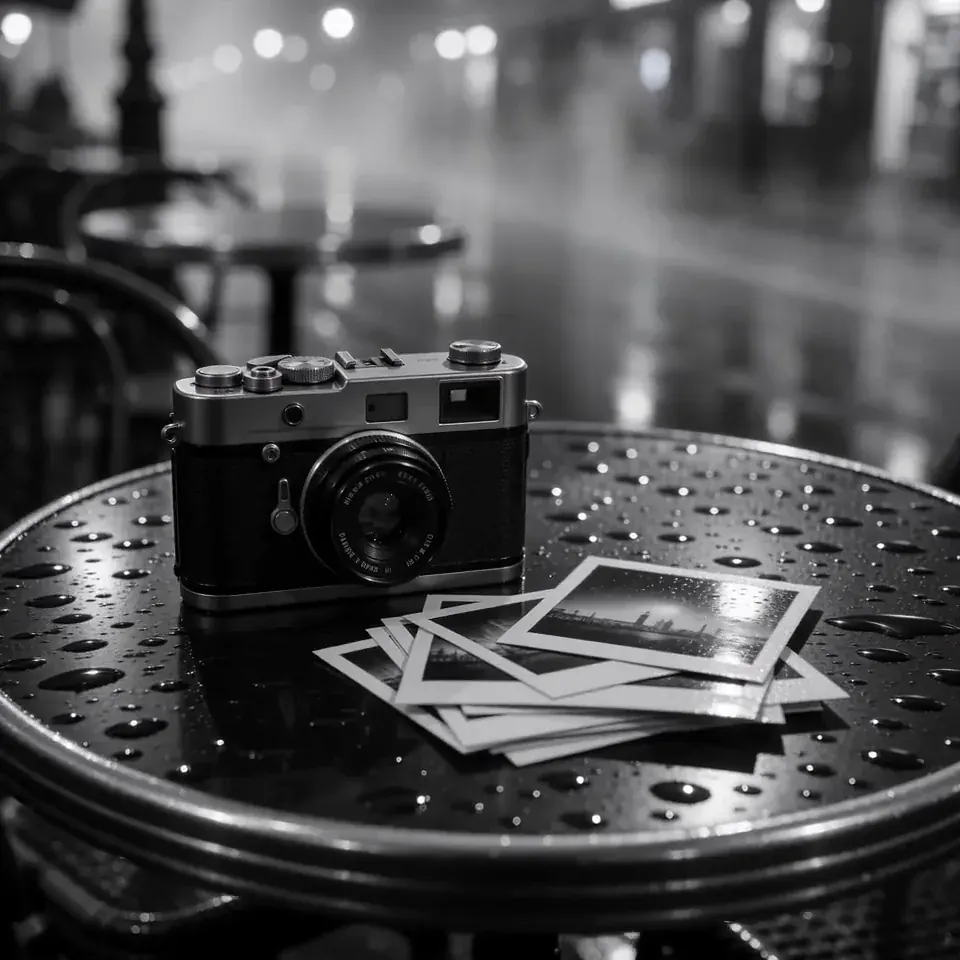
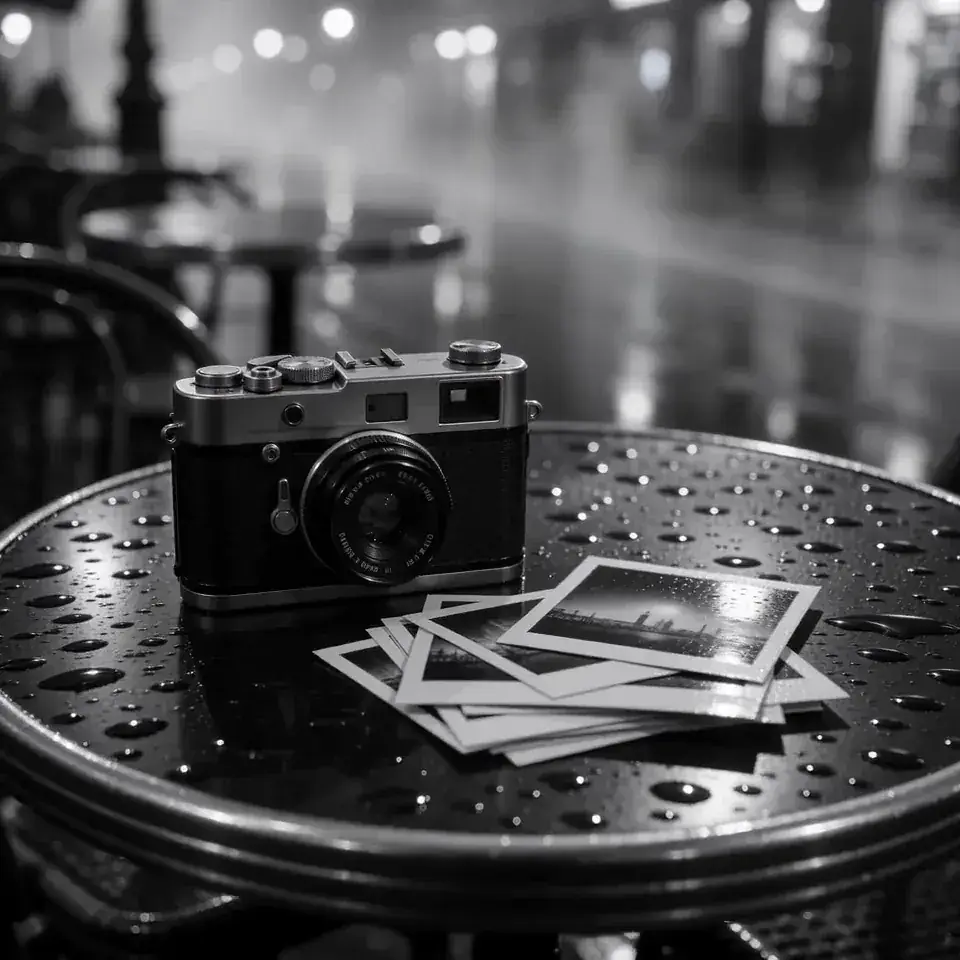
Black-and-white city street at night after rainfall. Wet pavement reflects streetlights and passing headlights. A compact retro film camera with matte black metal body and subtle brushed steel accents (fully unbranded) is held in steady hands under a streetlamp glow. Tight close-up on textured dials and mechanical shutter button. A deep shutter click echoes. Quick cut to a candid street moment — a lone pedestrian walking through mist. The camera advances film with a tactile thumb wheel motion. Final shot: the camera resting on a rain-slick café table beside a small stack of monochrome prints with rich contrast and natural grain. Slow cinematic push-in, soft fog in background, high dynamic range black-and-white, realistic reflections, seamless edits, no text, no logos.

4 levers

Make it yours

What is safe to change. Most libraries publish only this list, which is why so many copied prompts come back worse than the original.

  1. 01

    The object

    Swap the camera for a watch, a lighter, a fountain pen, a turntable. The template is really about objects with moving parts, because moving parts are what justify the sound design.

  2. 02

    The three sounds

    "A deep shutter click echoes", "advances film with a tactile thumb wheel motion", and the implied rain. Three mechanical events across eight seconds is the rhythm of the piece. Take one out and the clip goes quiet in the middle.

  3. 03

    Monochrome

    "High dynamic range black-and-white" plus "natural grain" is doing more than a colour choice — it removes the model's ability to solve the shot with colour contrast, which forces it into shape and reflection. Turn it to colour and the wet street stops carrying the frame.

  4. 04

    The last shot

    The prints on the café table are the only evidence in the film that the camera works. Product films that end on the product alone are inert; this one ends on what the product made.

Three ways to break it

  • Removing "fully unbranded" or "no logos"

    Retro camera bodies are one of the strongest brand priors in any image model. Without both instructions you get a recognisable badge, rendered imperfectly, on the one surface the camera is pushing in on.

  • Adding timecodes to the four shots

    This prompt describes its cuts by sequence — "quick cut to", "final shot" — not by absolute time. Adding "0-2s / 2-4s" turns a rhythm the model can adjust into a grid it has to hit, and at eight seconds with four shots there is no slack for it to be wrong in.

  • Adding a person to the hands

    The hands are deliberately anonymous. Describing a face means the model has to keep it consistent across a cut to a pedestrian and back, and the film stops being about the object.

What it does

What the midnight frame template does

Most product films on this page are written as timed shot lists. This one is not, and the difference is worth studying, because it is the better choice more often than people assume.

The four shots are marked by transition language rather than by timecode: "tight close-up on", "quick cut to", "final shot". That gives the model the sequence and the count while letting it distribute the eight seconds itself. In a film with this much texture — dials, mist, wet asphalt, print grain — the model needs that freedom, because the amount of time a shot needs to read is a function of how much detail is in it, and the prompt cannot know that in advance. Templates further down this page do use hard timecodes, and they are the right call when the picture has to hit an external beat. Here there is no external beat.

The sound is the actual subject. Read the prompt again and count how much of it is audible: a shutter click that echoes, a thumb wheel that is described as tactile, rain that has already fallen and is still dripping off everything. In a silent model none of that would survive — you would get a nice-looking camera. H3 generates audio in the same pass as picture, which means the words "a deep shutter click echoes" produce both the sound and the frame where the sound happens, and the cut lands on it.

That is the mechanism worth taking away from this template: on a model that generates sound, naming an audio event is also a way of scheduling a picture event. The prompt never says when to cut to the pedestrian. It says the shutter clicks, and then it says cut. The click is the edit point.

The monochrome instruction is load-bearing rather than stylistic. Black and white removes colour contrast from the model's toolkit, and what is left is shape, reflection and grain — which happen to be exactly what a wet night street is made of. It is a case of a constraint that improves the output by narrowing what the model is allowed to solve with.

The closing shot is the only part of the film that is an argument rather than a description. A stack of monochrome prints beside the camera says the camera works, which is the one thing a product film has to establish and the one thing a beauty shot of the product never does.

The two negative instructions at the end — "no text, no logos" — plus "fully unbranded" earlier are not redundant. The first pass suppresses the badge on the body; the second suppresses the model's urge to put a brand name on the prints.
Everything here runs in text to video.

6 questions

Midnight frame — common questions

  • 01

    Should I write timecodes into a prompt like this?

    Not here. Sequence words let the model distribute eight seconds across four textured shots itself. Use hard timecodes when the cut has to hit an external beat, not when it just has to feel right.

  • 02

    Does naming a sound really change the picture?

    Yes. H3 generates audio and video together, so "a deep shutter click echoes" schedules a moment as well as a sound, and the edit lands on it.

  • 03

    Why insist on black and white?

    It removes colour as a way of separating elements, which pushes the model onto reflection, shape and grain — the things a wet street at night is actually made of.

  • 04

    How do I keep a real brand out of the shot?

    Say it twice. "Fully unbranded" next to the object description, and "no text, no logos" in the closing constraints. Retro hardware has strong brand priors and one instruction leaks.

  • 05

    Can four cuts fit in eight seconds?

    Yes, at roughly two seconds each. Six cuts in eight seconds is where individual shots stop registering.

  • 06

    What makes this a product film rather than a mood piece?

    The last shot. Ending on the prints the camera produced is the only moment that claims the product does anything.

Copy it, change three things, run it.

Every character is on this page. 8s at 2K costs $1.04.

Generate free