MiniMax H3 prompts, printed in full
Every prompt complete — no truncation, no paraphrase. Free to copy. 20 templates
Product
6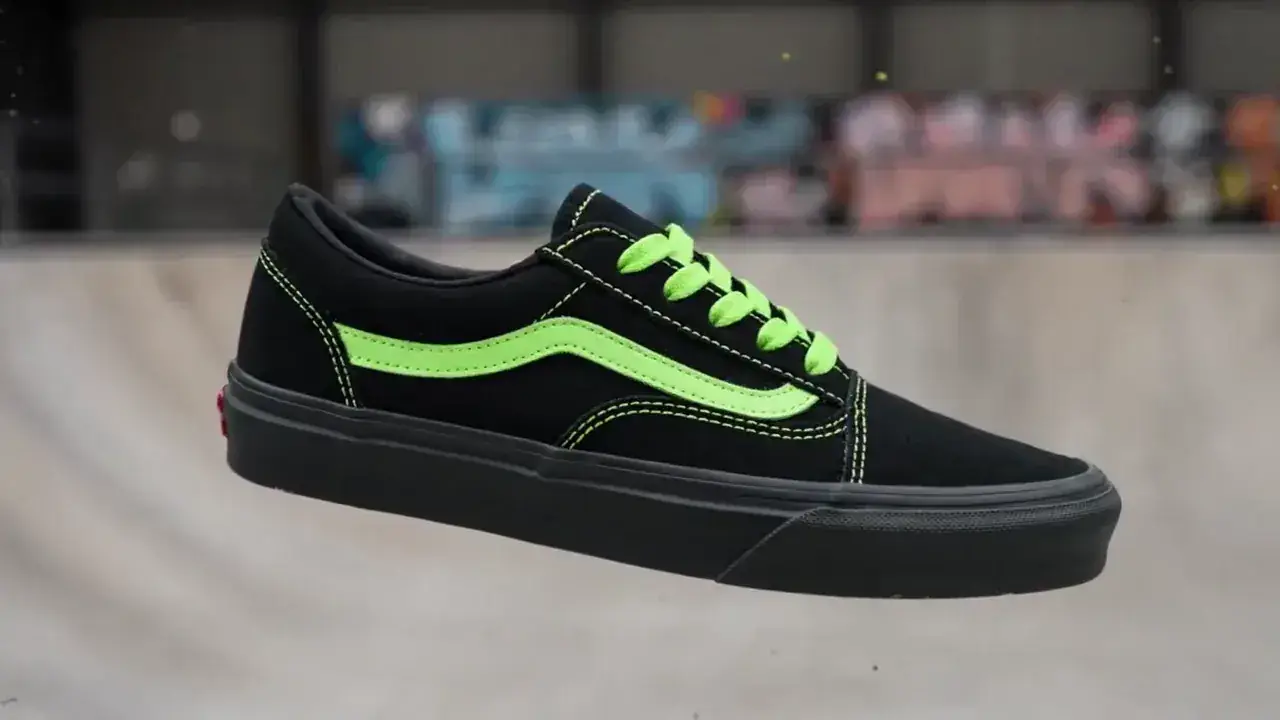 P—02One shot
Sneaker paint burst
A labelled, seven-key prompt instead of a paragraph. The most literal read H3 will give you.
8s16:92K$1.04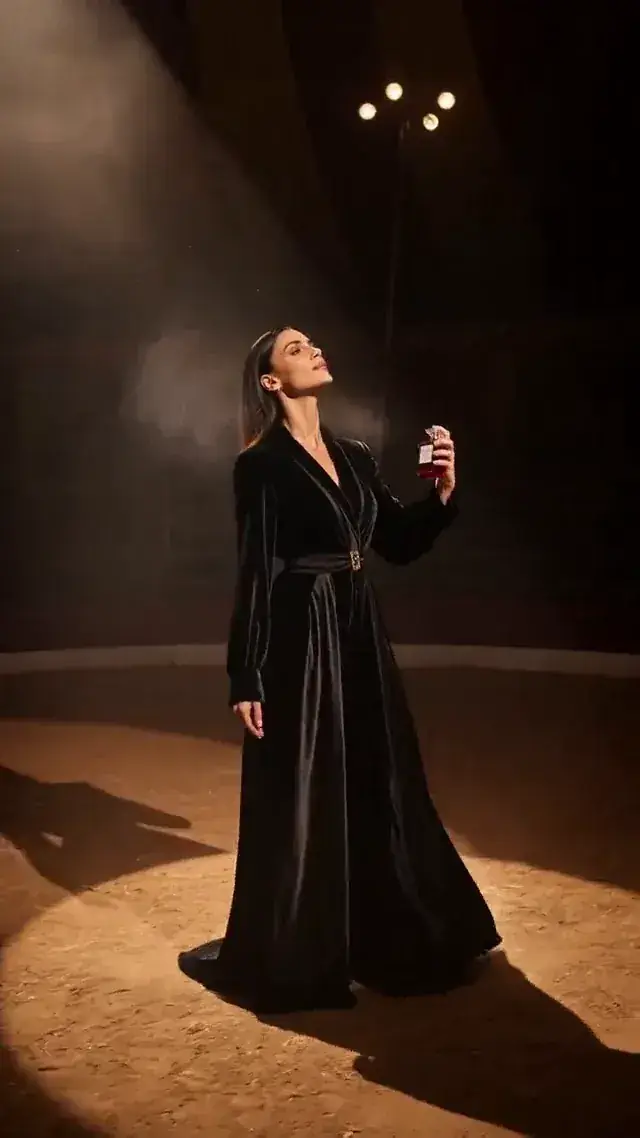 P—082 steps
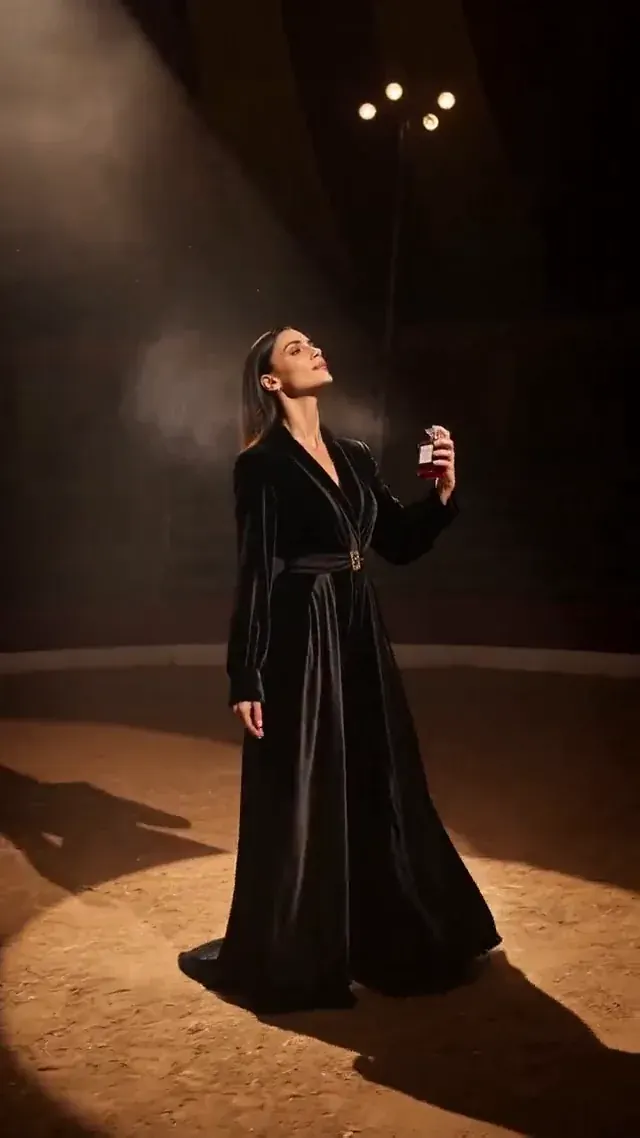
Dark-circus perfume teaser
A timed luxury commercial where the negative prompt is doing as much work as the shot list.
15s9:162K$1.95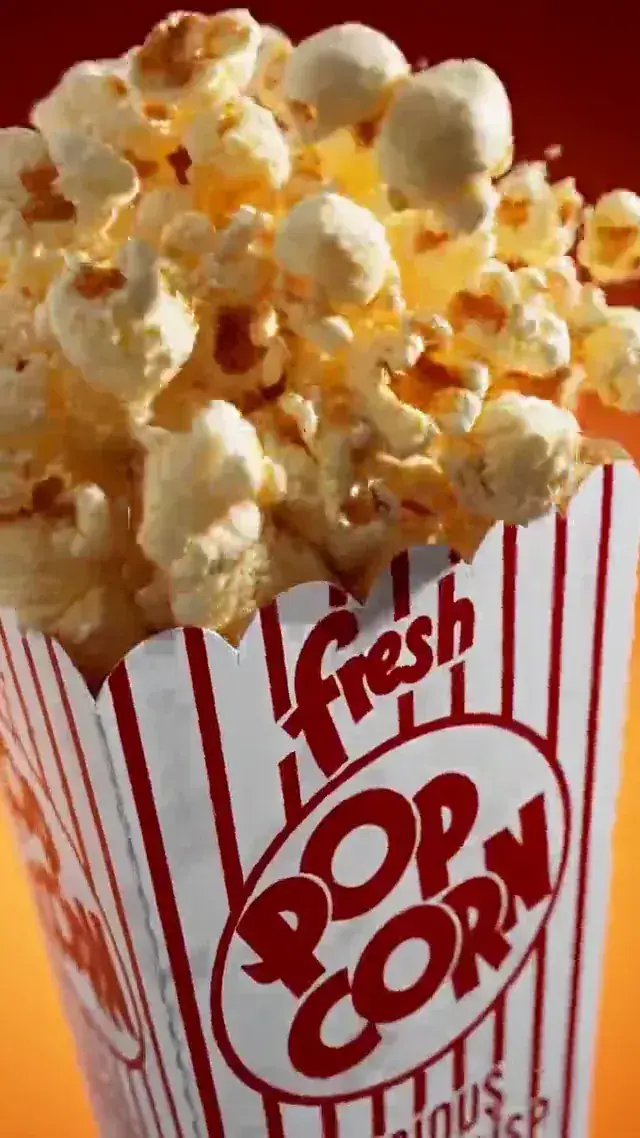 P—092 steps
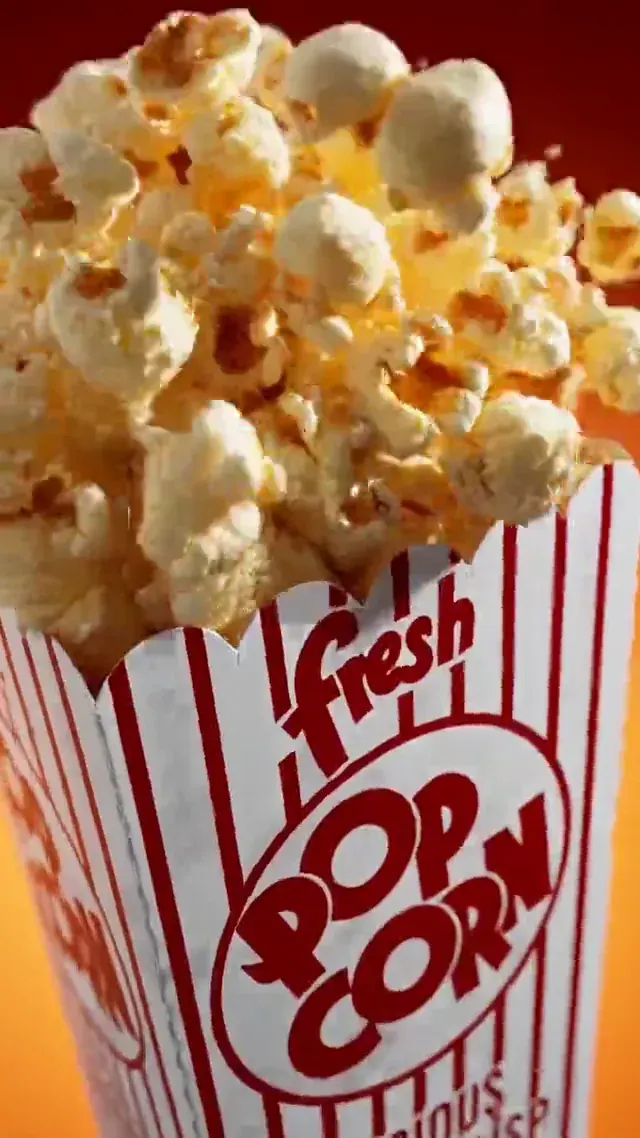
Ten-cut popcorn ad
Ten shots in eight seconds, each with an explicit timecode. The tightest schedule here.
8s3:42K$1.04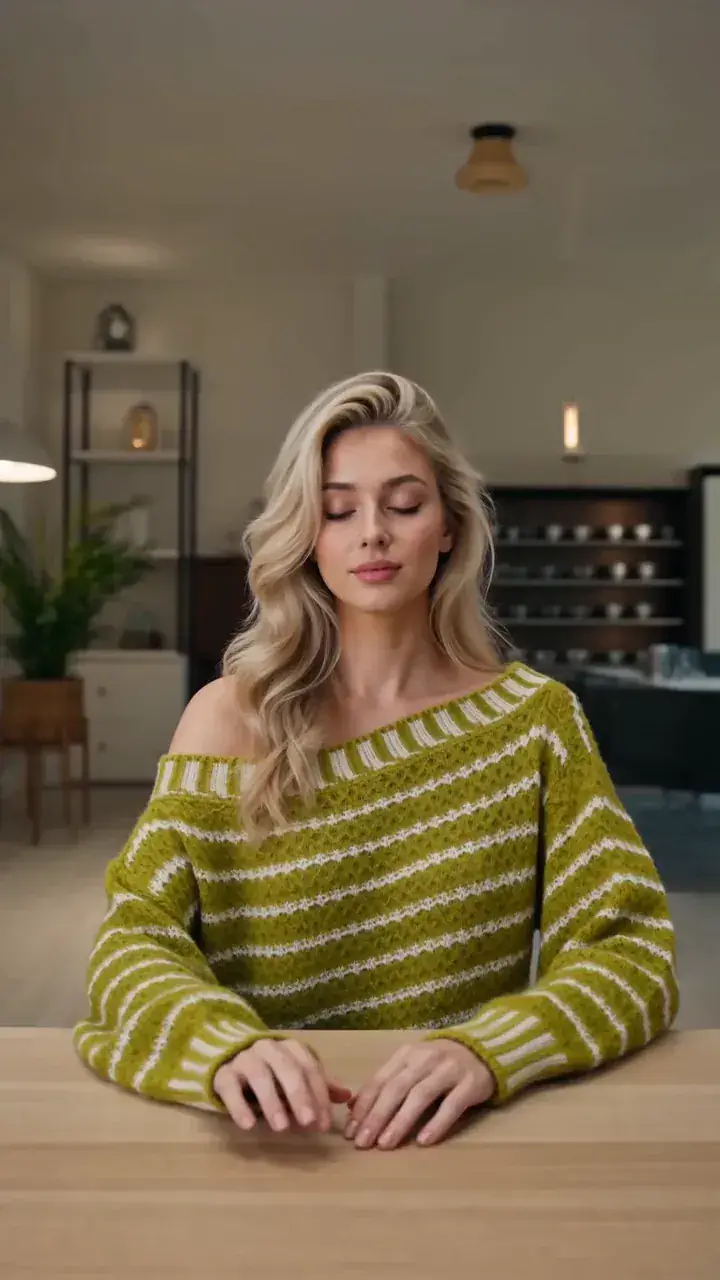 P—102 steps
Showroom room swap
Four rooms swap around a subject who never moves. One gesture drives every transition.
15s9:162K$1.95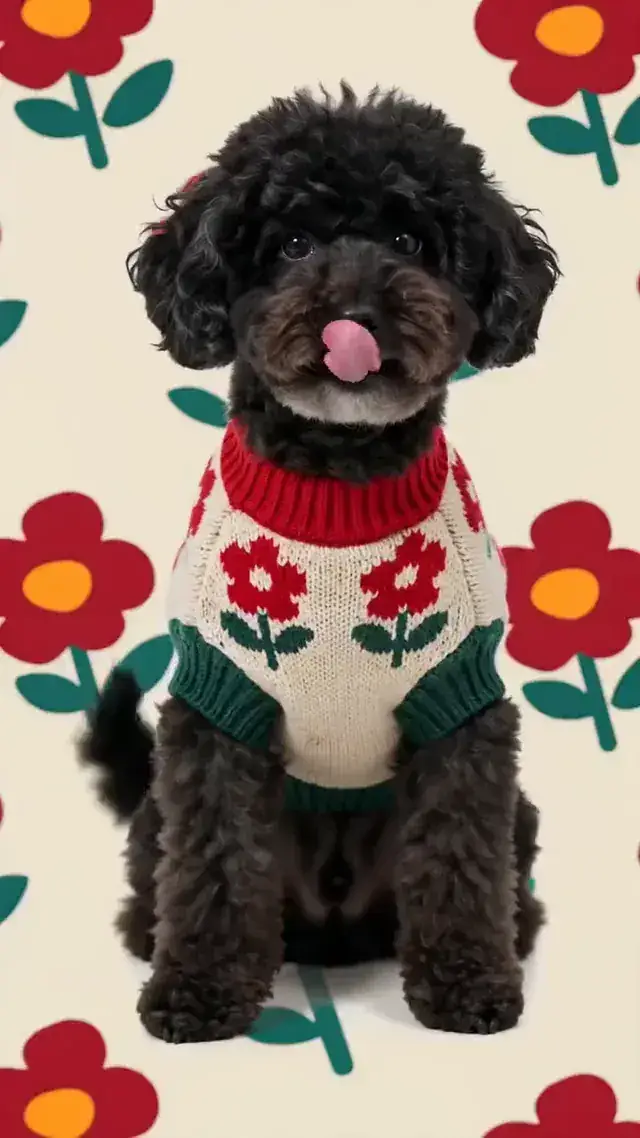 P—112 steps
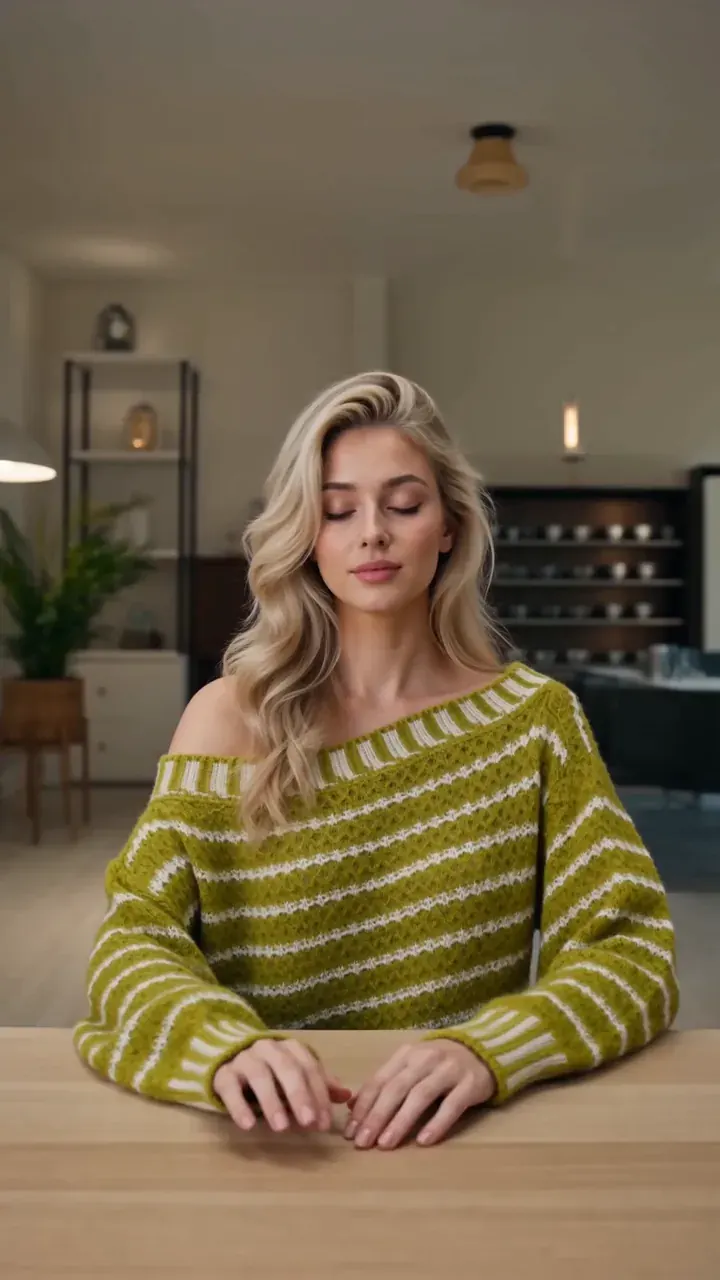
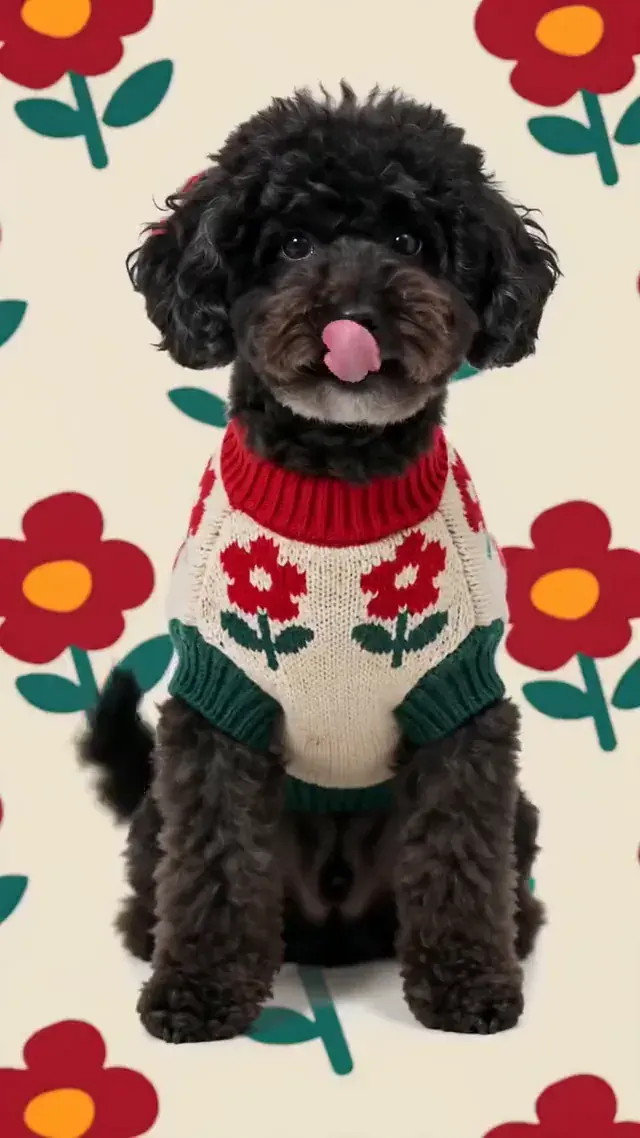
Pet knitwear lookbook
One four-shot unit repeated across four subjects, each in a colour-matched set.
15s9:162K$1.95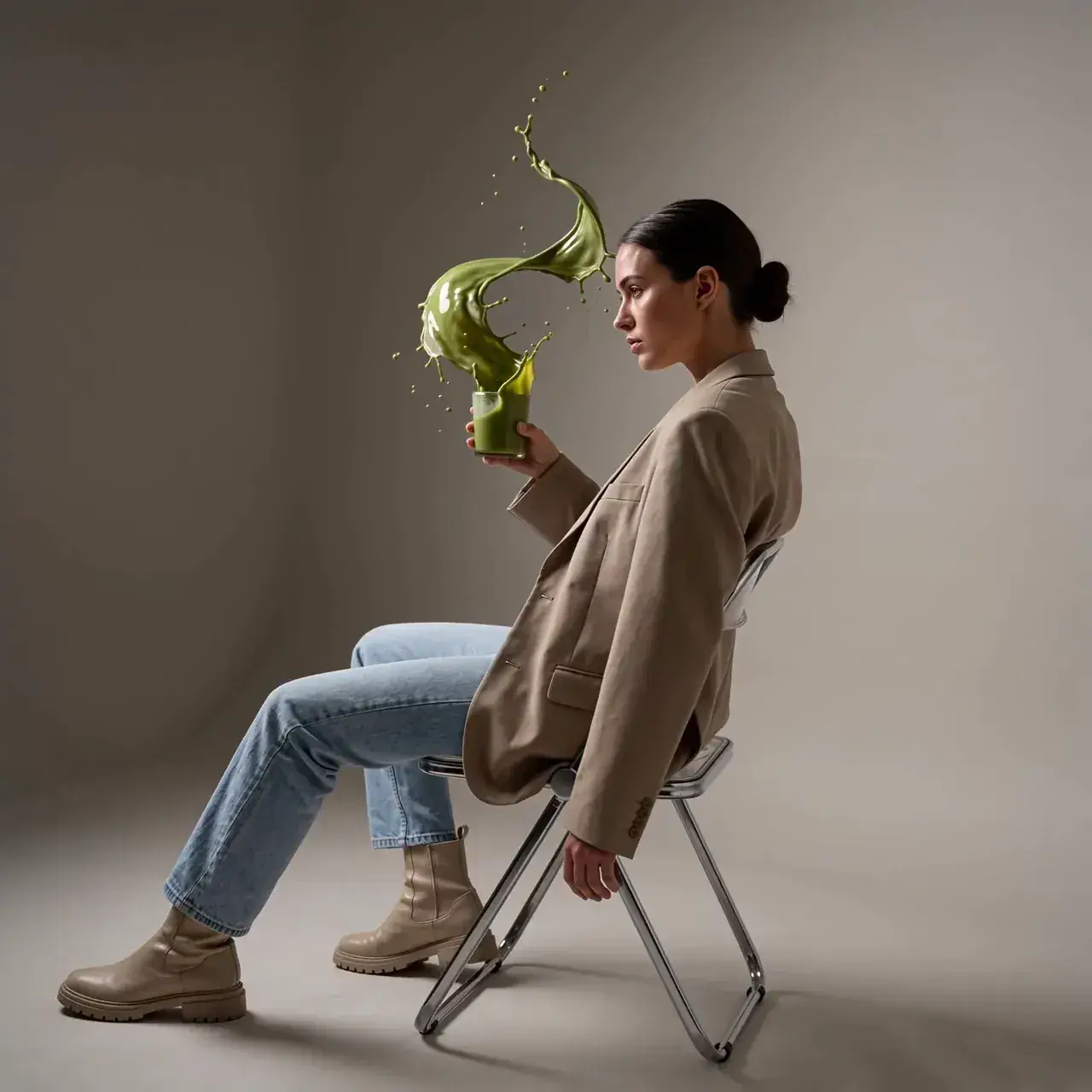 P—19One shot
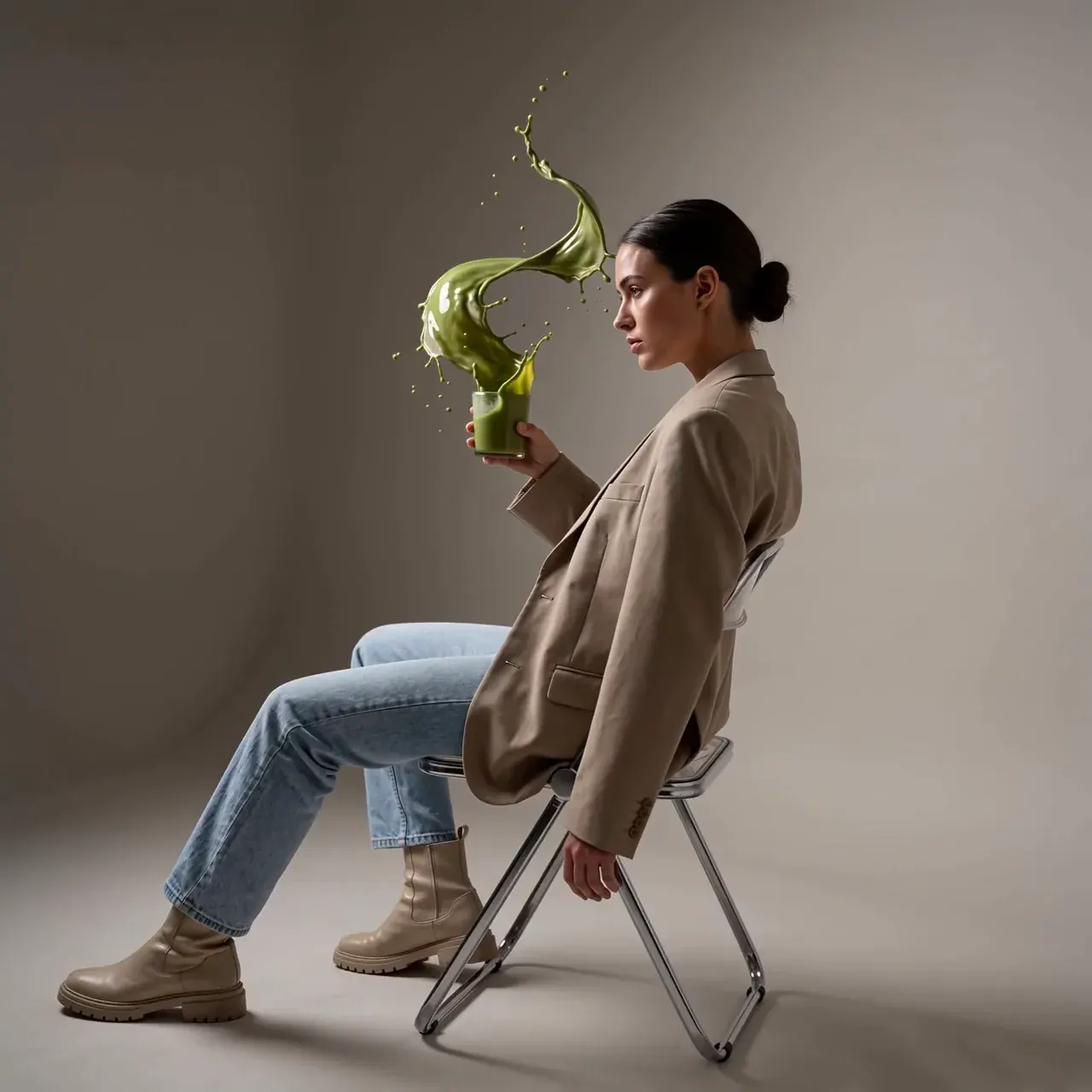
Matcha fashion orbit
A 360° orbit around a frozen model and a frozen matcha splash. Camera only.
15s1:12K$1.95
UGC
2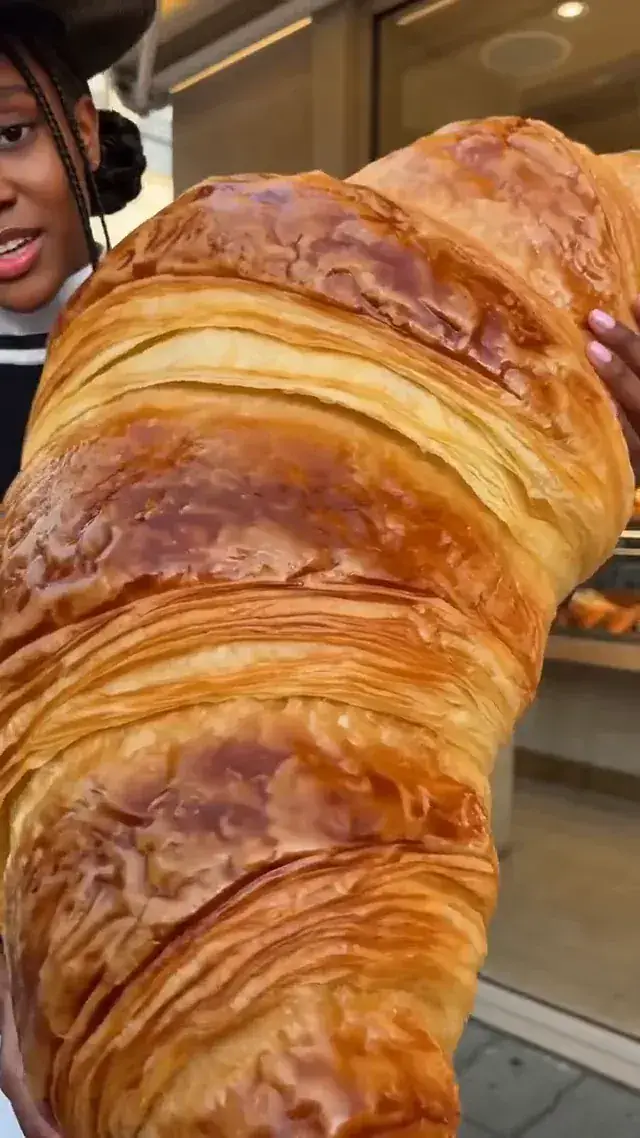 P—122 steps
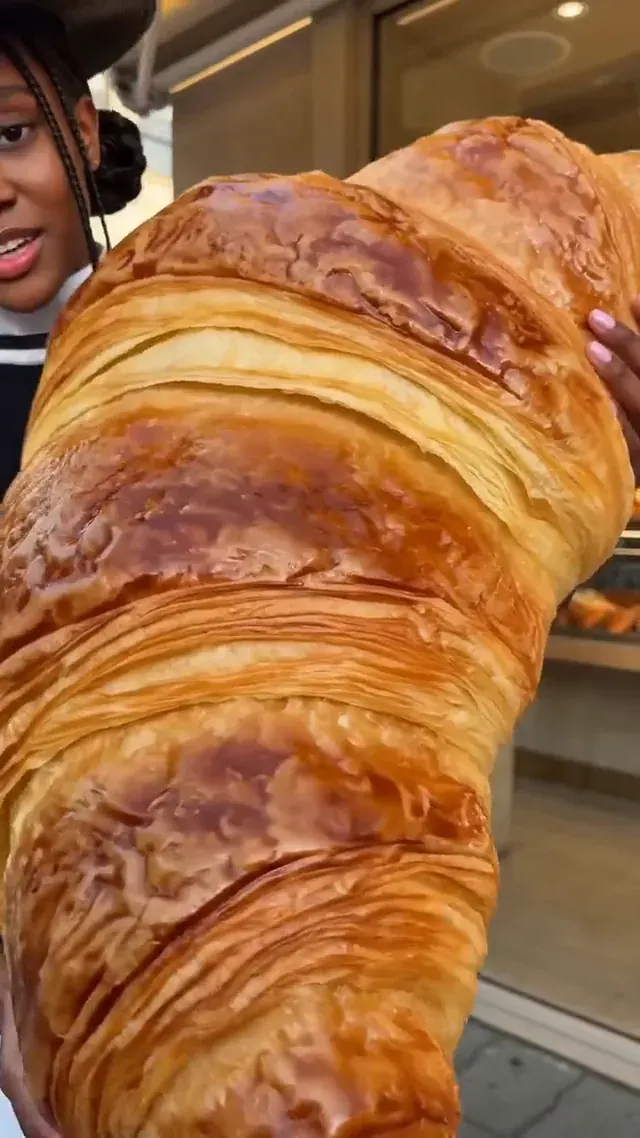
UGC oversized pastry
Five shots, five spoken lines, and one rule that keeps every one of them in sync.
15s9:162K$1.95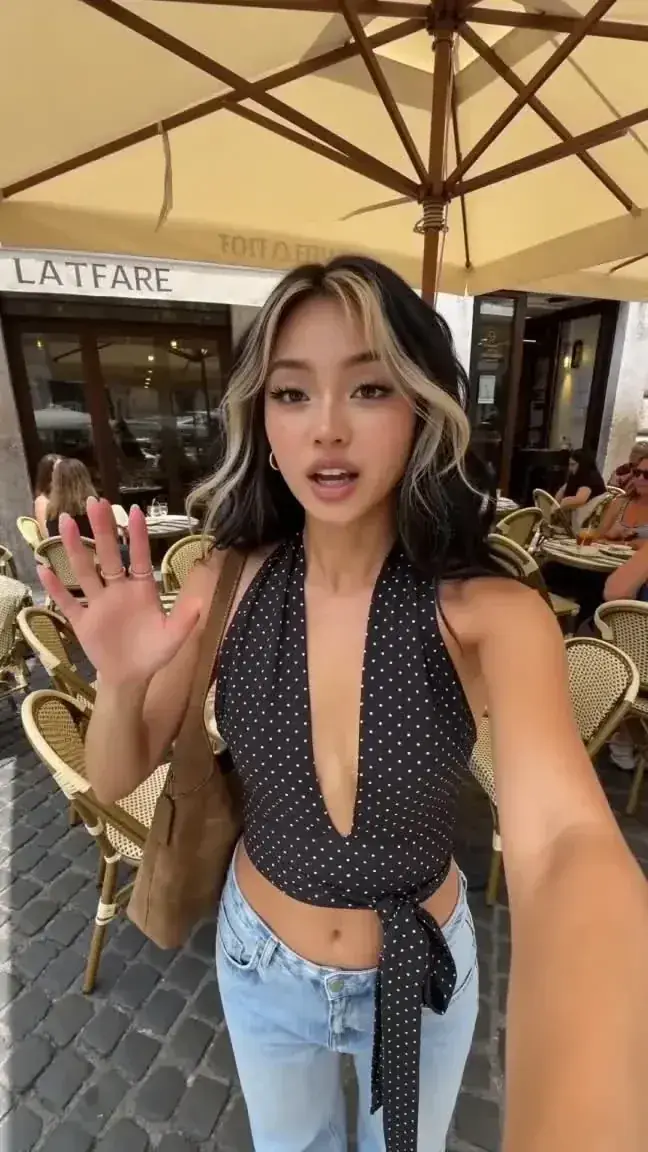 P—132 steps
UGC problem to solution
Problem, product, relief. The rule that makes it work is keeping both in frame together.
15s9:162K$1.95
Performance
4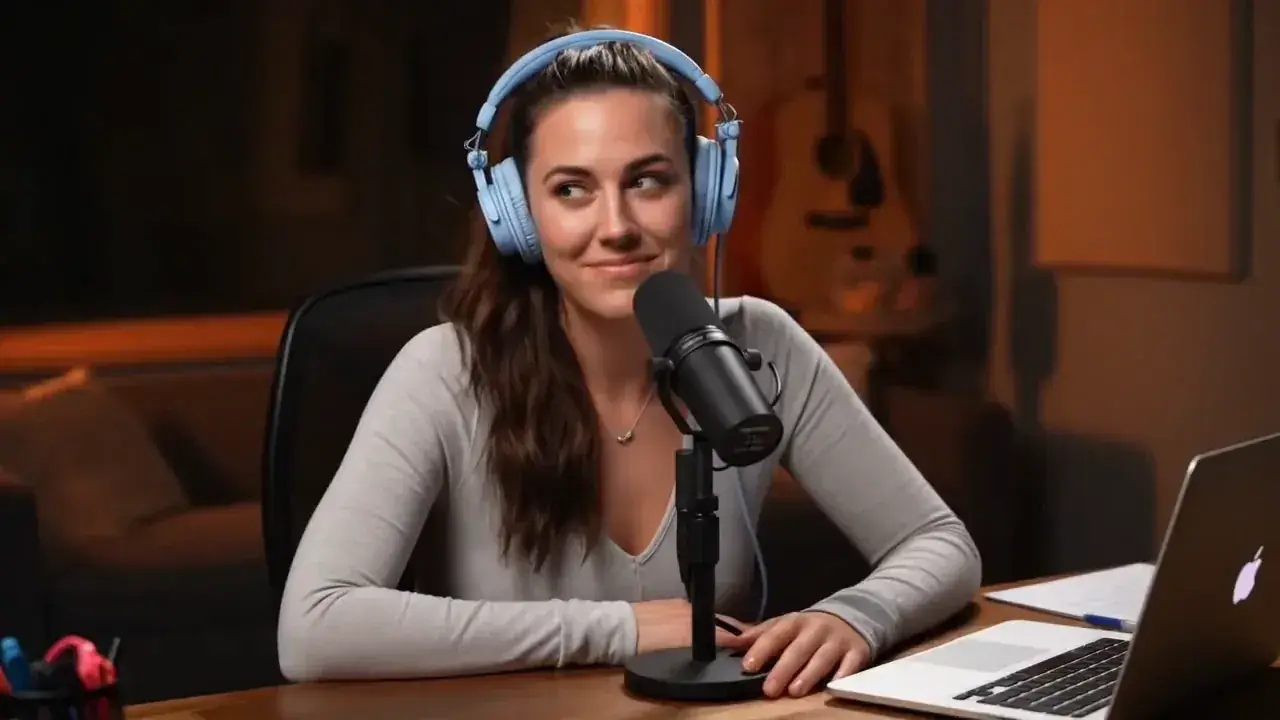 P—04One shot
Podcast whisper take
A single static shot with one written line of dialogue, delivered in sync.
8s16:92K$1.04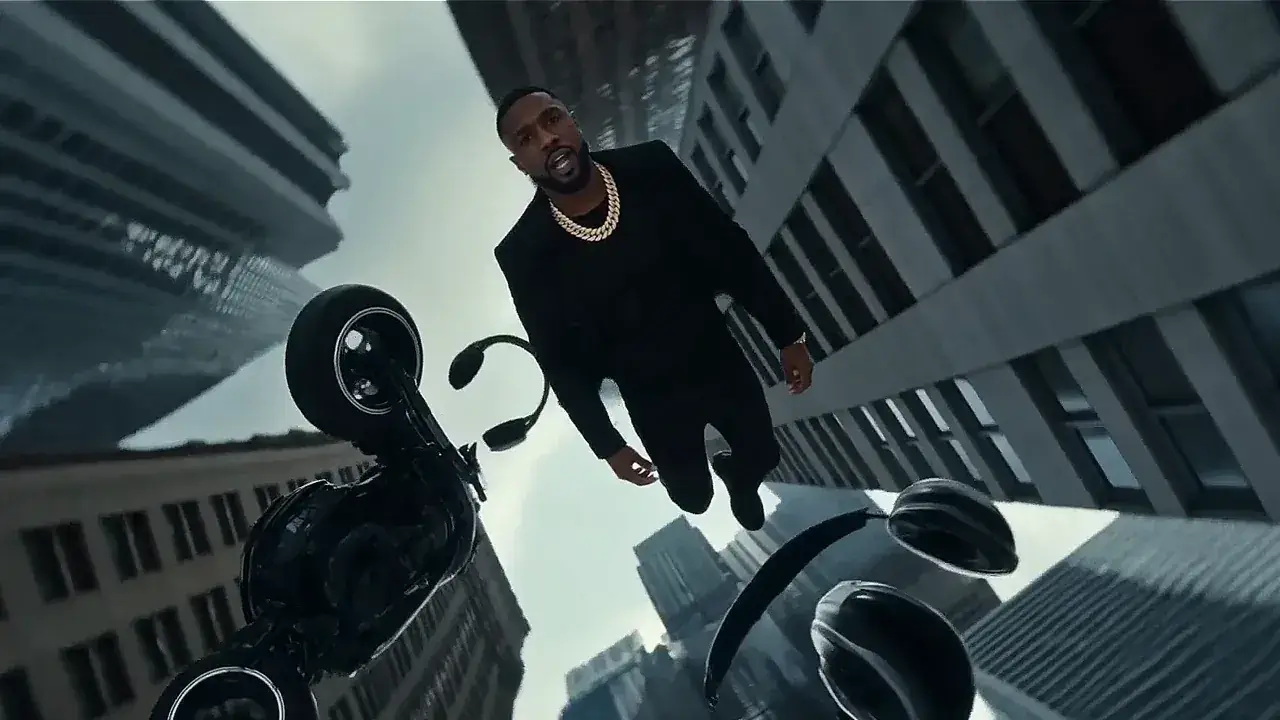 P—03One shot
Four-scene street rap
Four locations in fifteen seconds with one performer who stays recognisable across all of them.
15s16:92K$1.95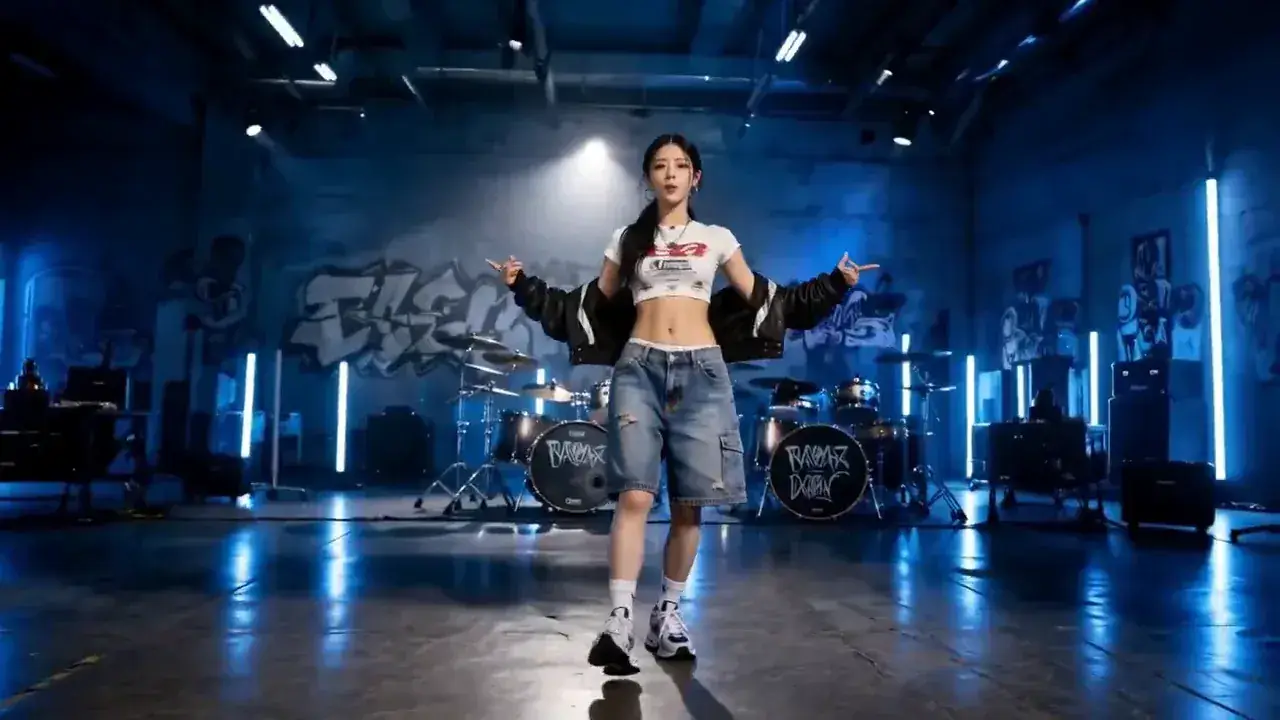 P—16One shot
Studio character rap
A rap-video shot list that opens by locking one face and one outfit, then never lets them go.
15s16:92K$1.95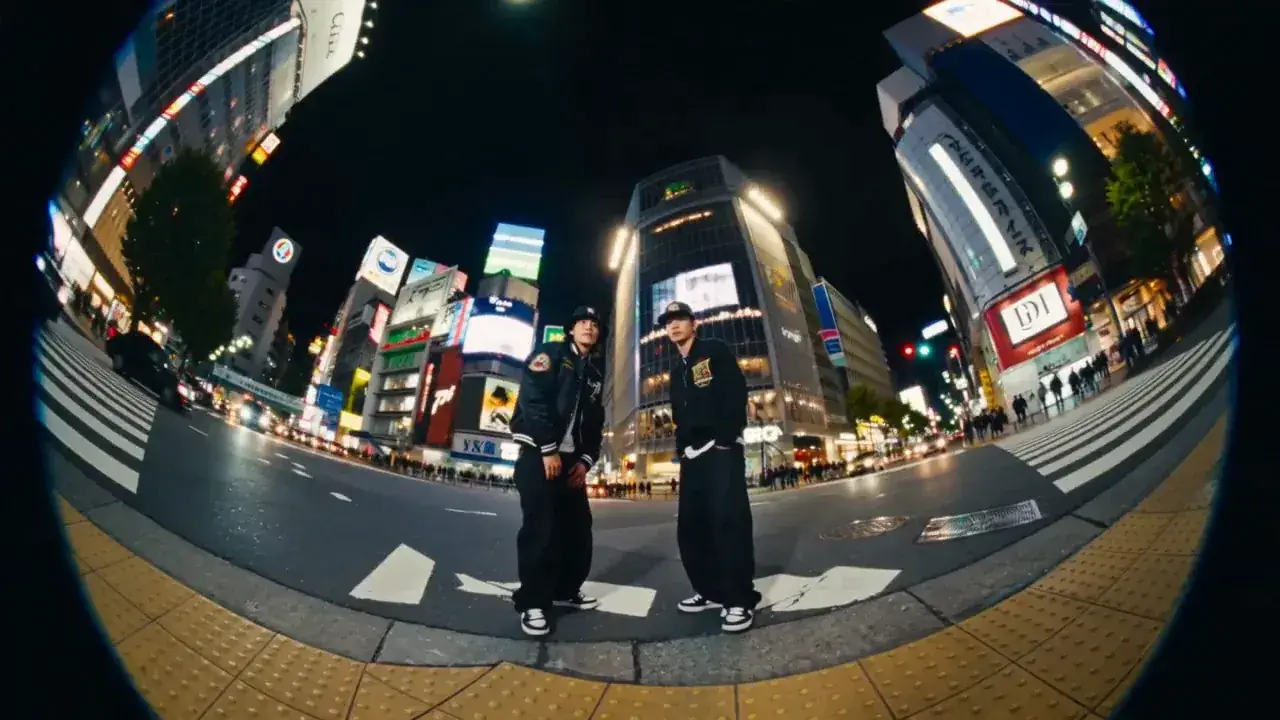 P—20One shot
Tokyo fisheye streetwear
A 13-second Tokyo night montage stitched by a fisheye and two lens-wipes.
13s16:92K$1.69
Cinematic
6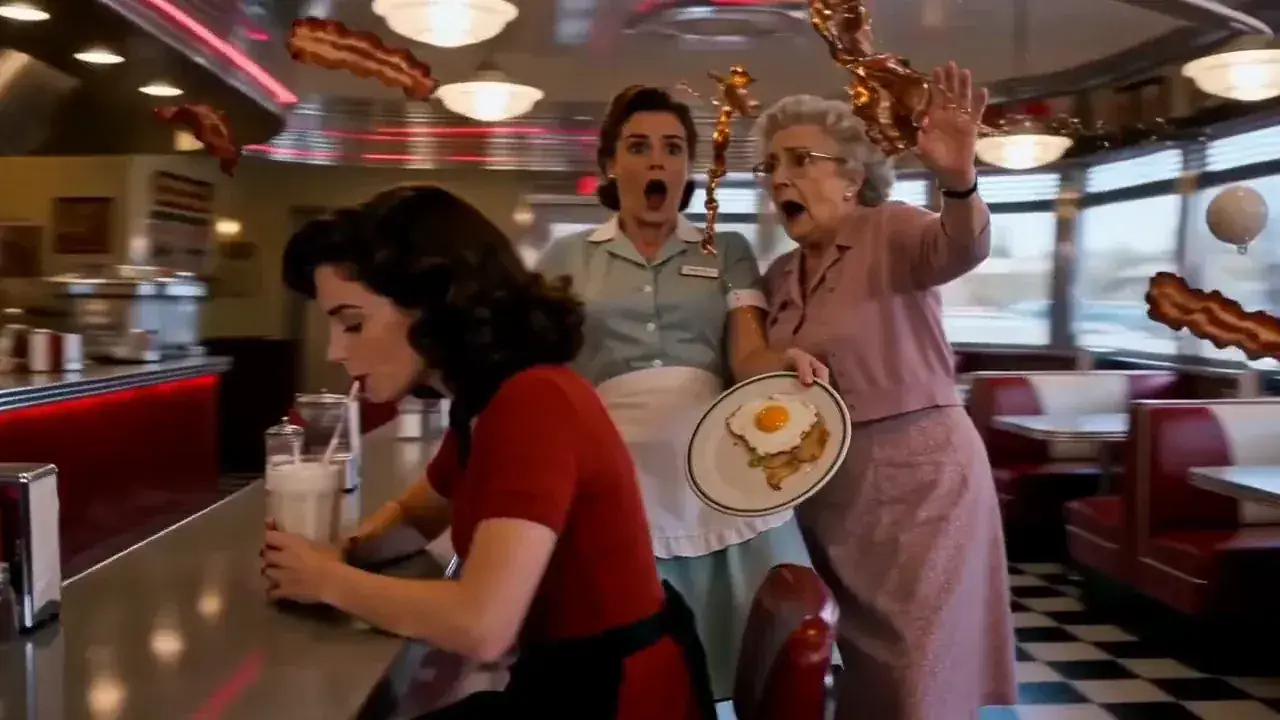 P—06One shot
Diner time freeze
A thirty-second timed shot list cut down to fifteen — and what has to go.
15s16:92K$1.95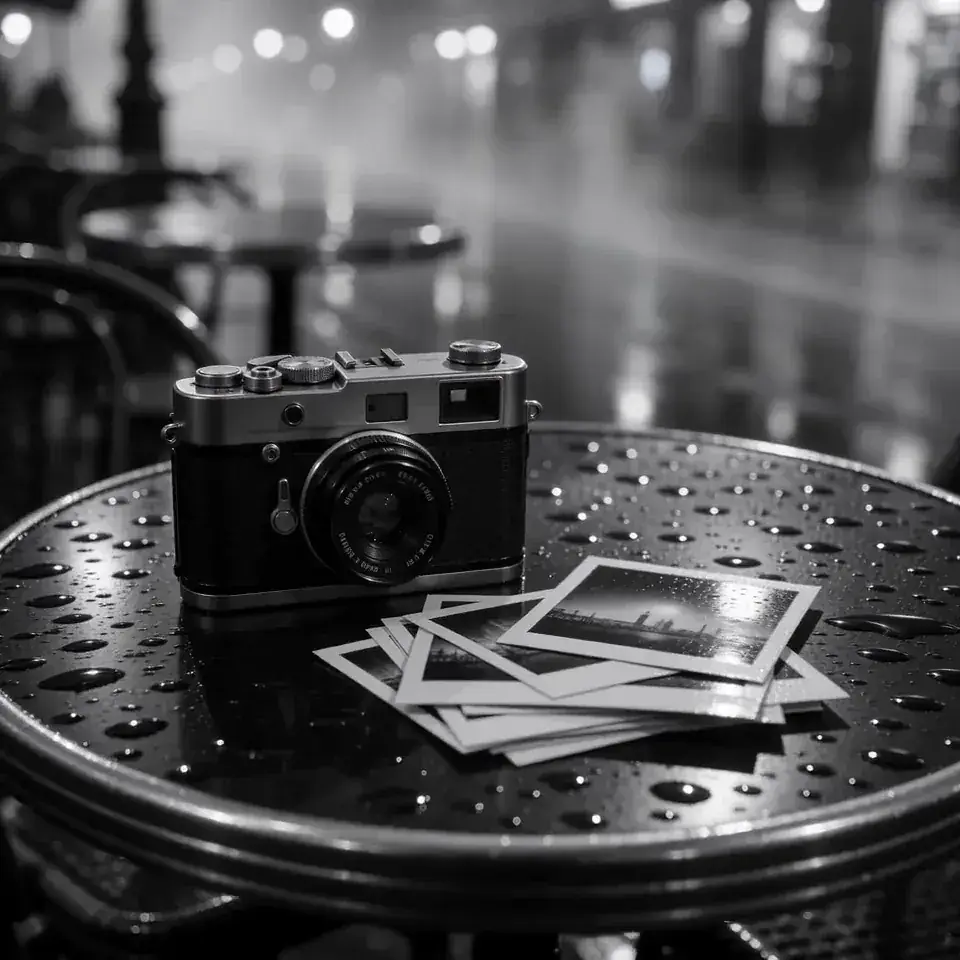 P—05One shot
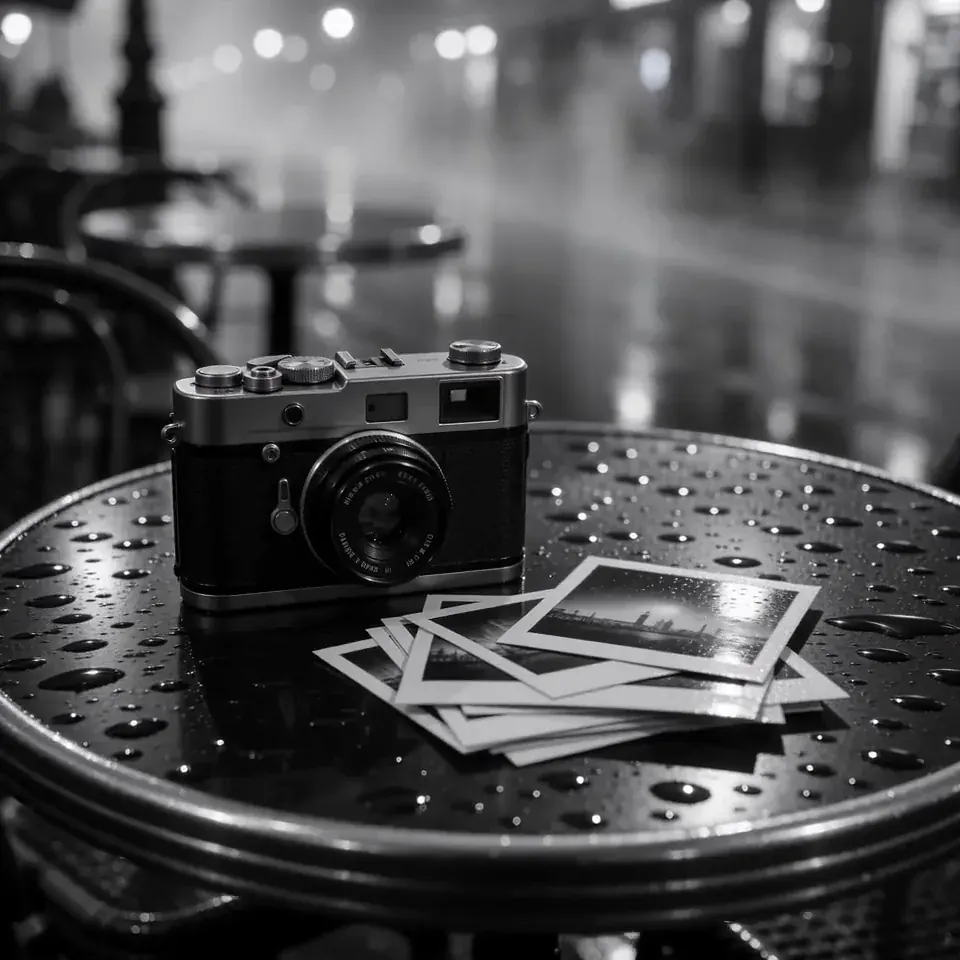
Midnight frame
Monochrome product film where the mechanical sound design carries the whole shot.
8s1:12K$1.04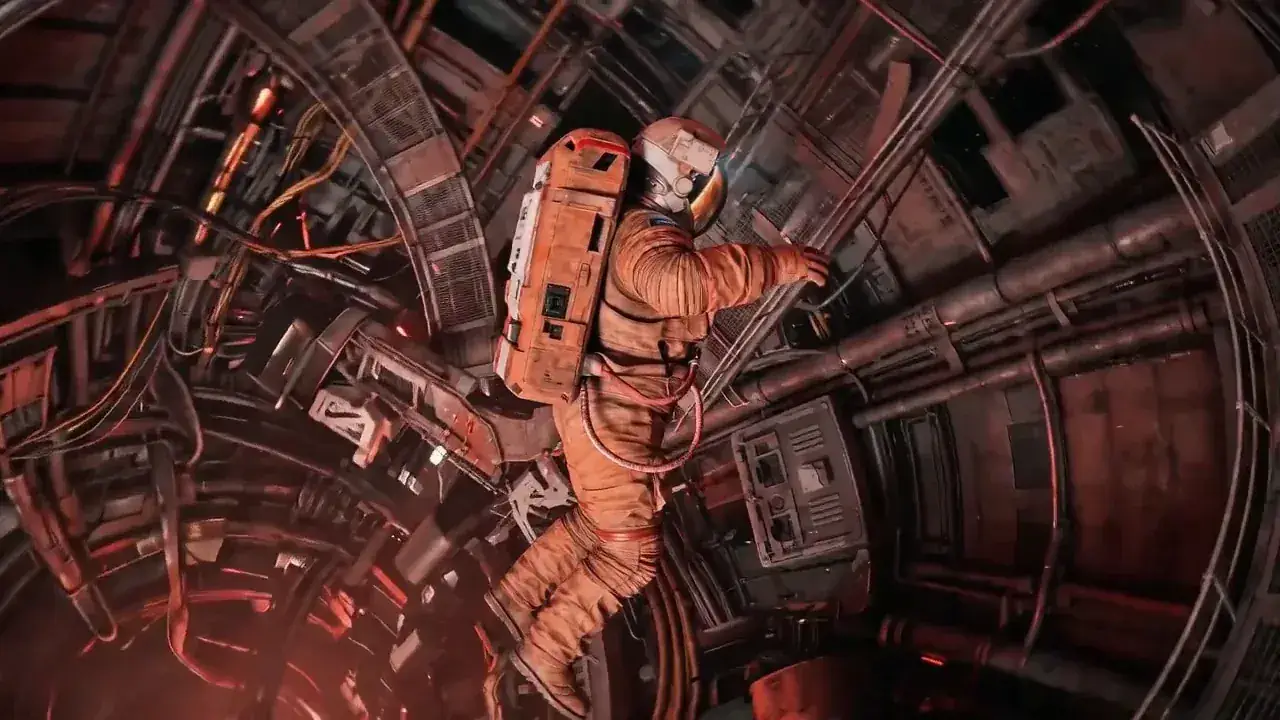 P—072 steps
Mars station spiral
A painted frame plus three sentences of camera. Everything else is already in the image.
10s16:92K$1.30 P—152 steps
Zero-g party
Eleven shots in ten seconds with no timecodes. Consistency comes from a lens and a palette.
10s9:162K$1.30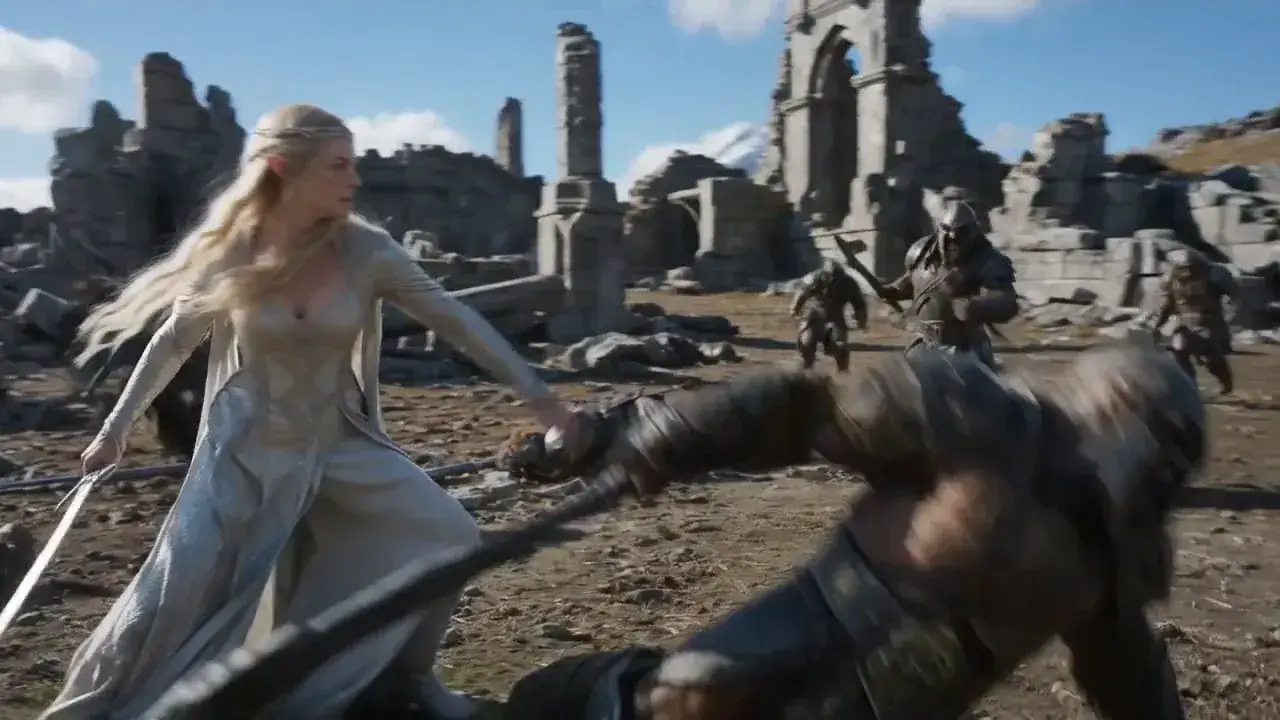 P—17One shot
Elf orc pursuit
A one-take elf-versus-orc prompt that counts every contact. Written for 30s; H3 will give you 15.
15s16:92K$1.95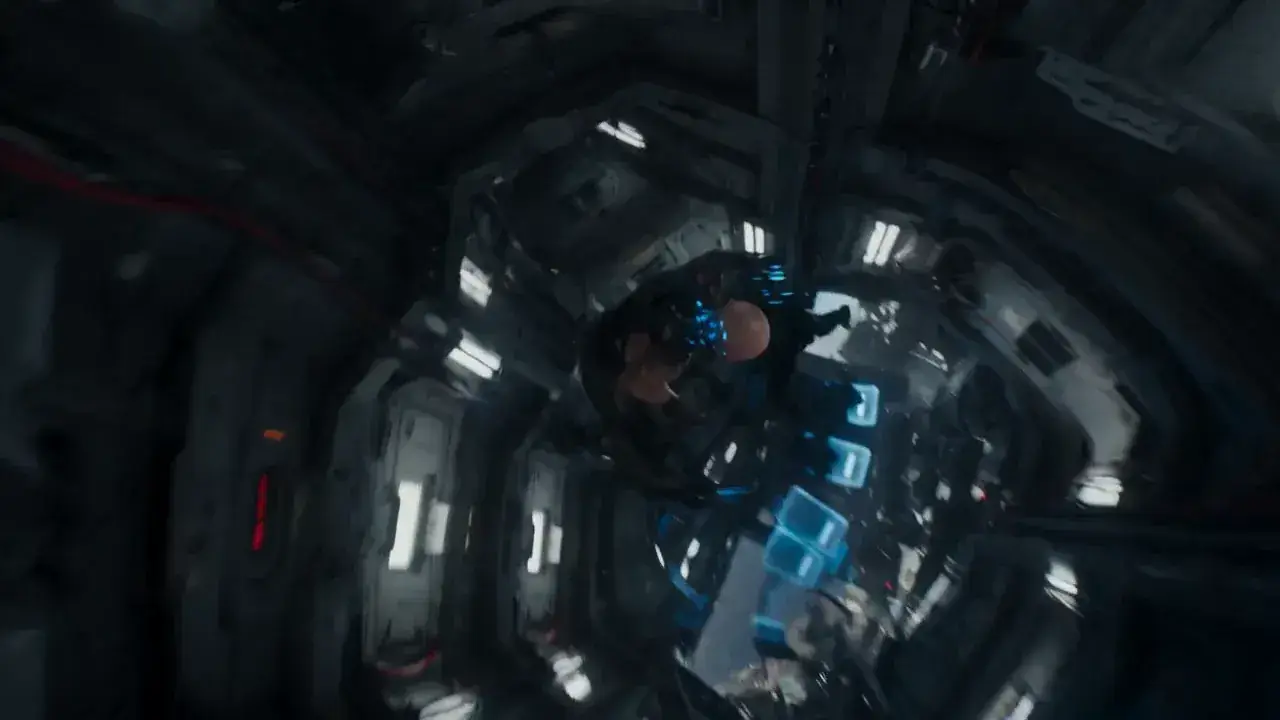 P—18One shot
Zero-g prison
A 15-second prison fight in five timed blocks, held together by gravity that will not stay put.
15s16:92K$1.95
Anime
2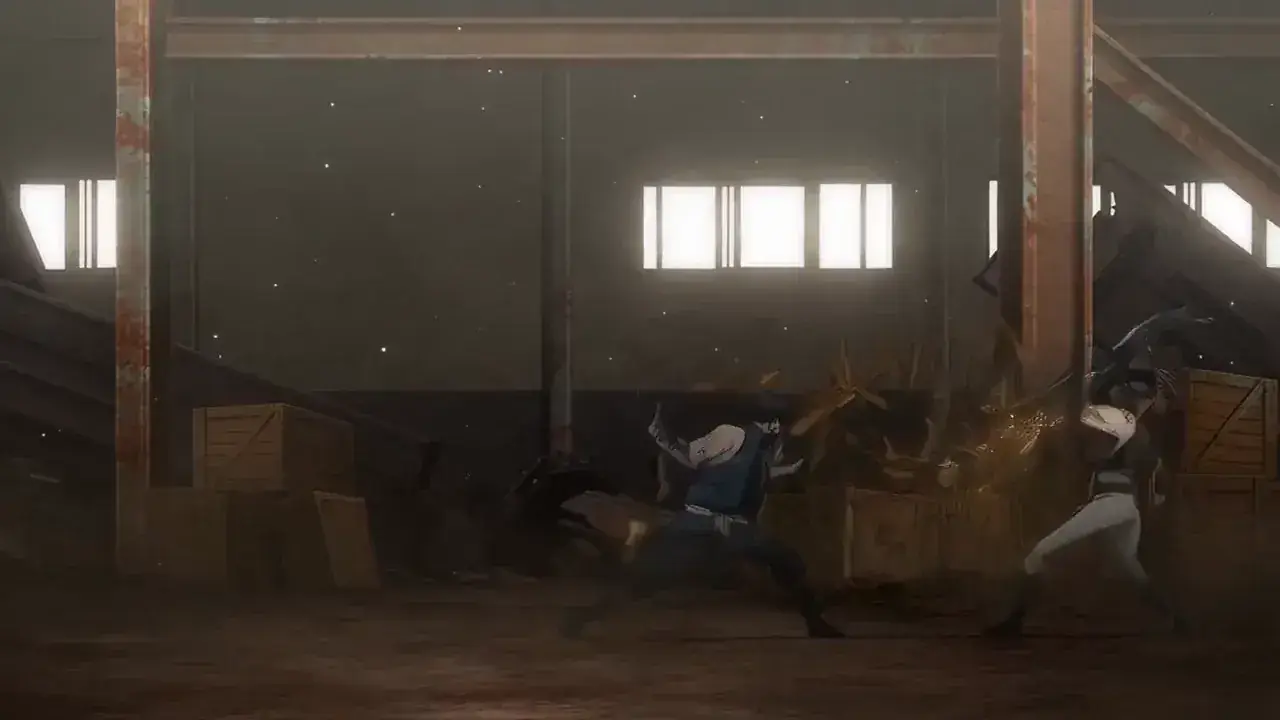 P—01One shot
Anime factory fight
The shortest prompt here. It buys motion by describing impacts rather than people.
8s16:92K$1.04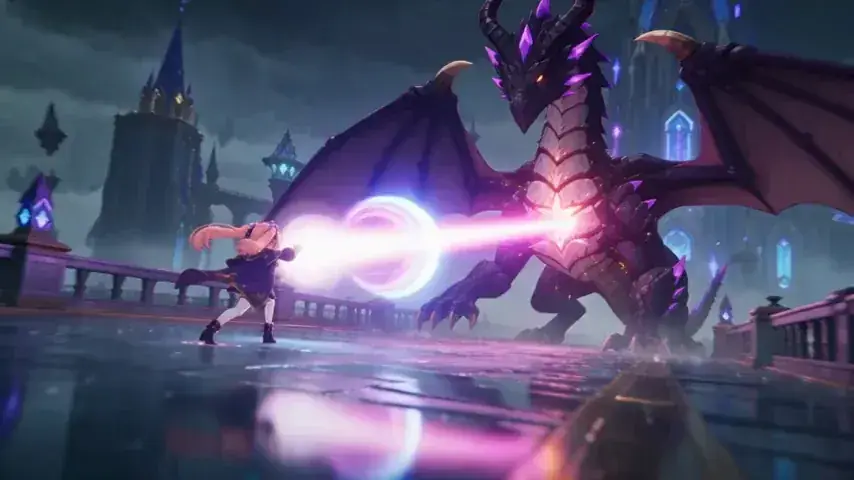 P—142 steps
Anime dragon duel
The longest prompt here. Two references, and a written rule for which one wins a conflict.
15s16:92K$1.95
Every clip on this page is a reference render published elsewhere, made with some other model. The prompts are what this library publishes; the clips are here so you can see an idea before paying to run it. Each one links to its source.
Two shapes
Some of these need a picture first. Eleven do not.
Every template is one of two shapes. It is the only distinction that changes what you have to do before you can generate anything.
A still, then the clip
Product shots, people, characters, anything that has to look like a specific thing. Step one is an image prompt we wrote by reading the actual reference frame; paste it into Nano Banana, GPT Image, Flux, Qwen-Image, Seedream — whichever you already pay for. Step two hands that frame to H3. If you already own the photograph, skip step one entirely.
We do not run an image model here yet. When we do, the copy button on step one becomes a generate button and nothing else on the page moves.
Straight to the clip
Nothing to upload and nothing to prepare. H3 writes picture and sound in the same pass, so a sentence about a wet street and a shutter click comes back as both. Every workflow built on a silent video model needs an image pass and then a soundtrack; these need one prompt.
Copy the text, set duration and ratio, generate.
Before you copy anything
MiniMax H3 prompts FAQ
Ten answers · all visible · nothing collapsed
Are these MiniMax H3 prompts free to copy?
Are the prompts complete, or truncated?
Were these clips generated with MiniMax H3?
Why do some templates have two prompts?
Which image model should I use for step one?
Why do some copied prompts come back wrong?
Will the same prompt give me the same clip twice?
How much dialogue fits in a clip?
Where do I learn to write one from scratch?
What does running one of these cost?
Take any of them. They are yours wherever you paste them.
Twenty templates, twenty-nine prompts, every character on the page.
Generate free